
Summary
- Protecting your rental chalet from bad tenants: where to start
- Screening and communicating before arrival
- Documenting the chalet’s condition with photos
- Damage protection, a safety net
- What recourse is available for damages in Quebec
- Conclusion
- FAQ
The fear comes up with almost every hesitant owner: what if a guest wrecks everything? This fear holds back many rental plans. Yet protecting your rental chalet from problem tenants in Quebec relies on simple steps and proven mechanisms, far more than on luck.
This guide presents prevention tools, available protections, and concrete recourse if an incident occurs. You’ll see that most risks are defused even before booking, through good preparation and clear communication.
Protecting your rental chalet from bad tenants: where to start
The best protection is preventive. A well-informed, well-screened traveler rarely causes trouble. So it all starts upstream, before the digital keys are even generated.
Three levers reduce risk from the outset. First, clear expectations about expected behavior. Second, reasonable verification of the traveler’s profile. Third, rigorous documentation of the chalet’s condition. These three pillars limit unpleasant surprises and make any later action easier.
Setting precise rules is the first step. A well-written house rules page governs the number of occupants, noise, parties, and pets. Rules that are posted and accepted before booking give you solid footing in case of a dispute.
Screening and communicating before arrival
Choosing your guests carefully is already a way of protecting your rental chalet. Guest screening isn’t about rejecting everyone, but about spotting signals that deserve attention.
A few clues warrant extra vigilance:
- A profile with no reviews or identity verification
- A local stay for a small number of people, sometimes associated with parties
- Vague questions about the actual capacity or additional visitors
- Reluctance to confirm the purpose of the stay
- A last-minute booking for a festive weekend
Beyond screening, communication acts as a powerful prevention tool. A friendly welcome message that recalls the rules, the maximum capacity, and respect for neighbors sets the tone. Travelers who feel the owner is present and attentive tend to behave more responsibly.
Platforms make this easier. AirCover for Hosts protection, for example, includes identity verification for travelers and screening of bookings deemed risky, in addition to your own checks.
Documenting the chalet’s condition with photos
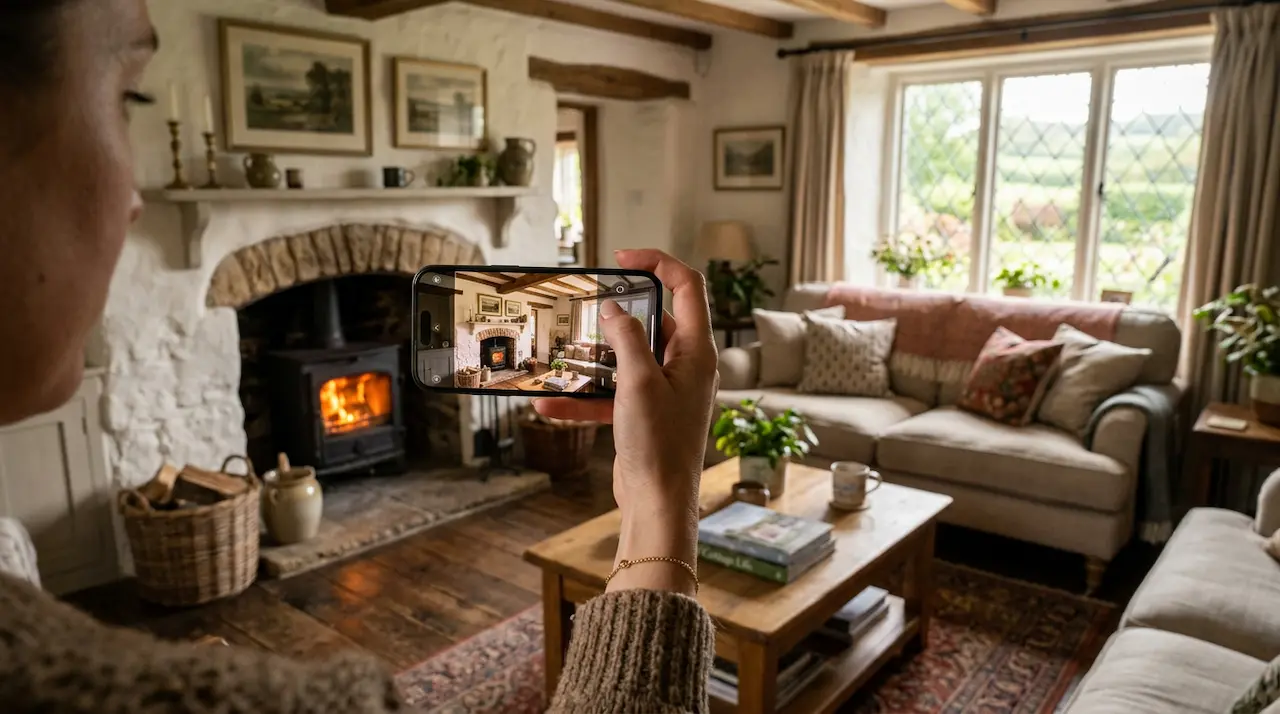
Photo evidence remains one of the best ways to protect your rental chalet. Without it, a dispute comes down to your word against the traveler’s.
Build a dated visual file before each stay: main rooms, furniture, appliances, spa, and exteriors. Take another set of photos after departure. This before-and-after documentation clearly establishes the property’s condition and supports any claim, whether with a platform or in court.
Also keep your written exchanges with the traveler. Messages sent through the platform serve as an official record. In case of damage, this complete file speeds up processing and strengthens your position.
Ready to rent with peace of mind? Handing over management of your chalet to a team that applies these protective measures for every booking helps reduce risk while maximizing your rental income. Find out how to delegate with confidence.
Damage protection, a safety net
Financial protections complement preventive steps in protecting your rental chalet.
Platforms offer protection programs. AirCover’s damage guarantee reimburses certain damages caused by a guest, up to a high limit, and also covers civil liability. Note, as Airbnb states, that this is not an insurance policy and does not replace either your homeowner’s insurance or non-owner-occupied coverage. A claim generally must be submitted within a short window with supporting documentation.
Your insurance is the second line of defense. Inform your insurer of your intention to rent and confirm coverage suited to tourist rental, including civil liability. Inadequate coverage can lead to a denied claim in the event of a loss.
Some management companies add in-house protection. With certain managers, for example, every booking benefits from a damage protection program at no extra cost to the owner. This approach adds to platform protections.
| Mechanism | What it covers | Key takeaway |
| Platform protection | Certain damages and civil liability | Not insurance, short claim window |
| Adapted homeowner’s insurance | Major losses and liability | Confirm with your insurer before renting |
| Management company program | Damages according to the mandate’s terms | Check the scope with the manager |
| Legal recourse | Damages not covered by other means | Last resort, requires solid evidence |
What recourse is available for damages in Quebec
If a traveler causes damage and refuses to pay, you’re not powerless.
Start by filing a claim with the platform, backed by your photo file and messages. Also report the problematic behavior, which protects other owners and feeds into screening for future bookings.
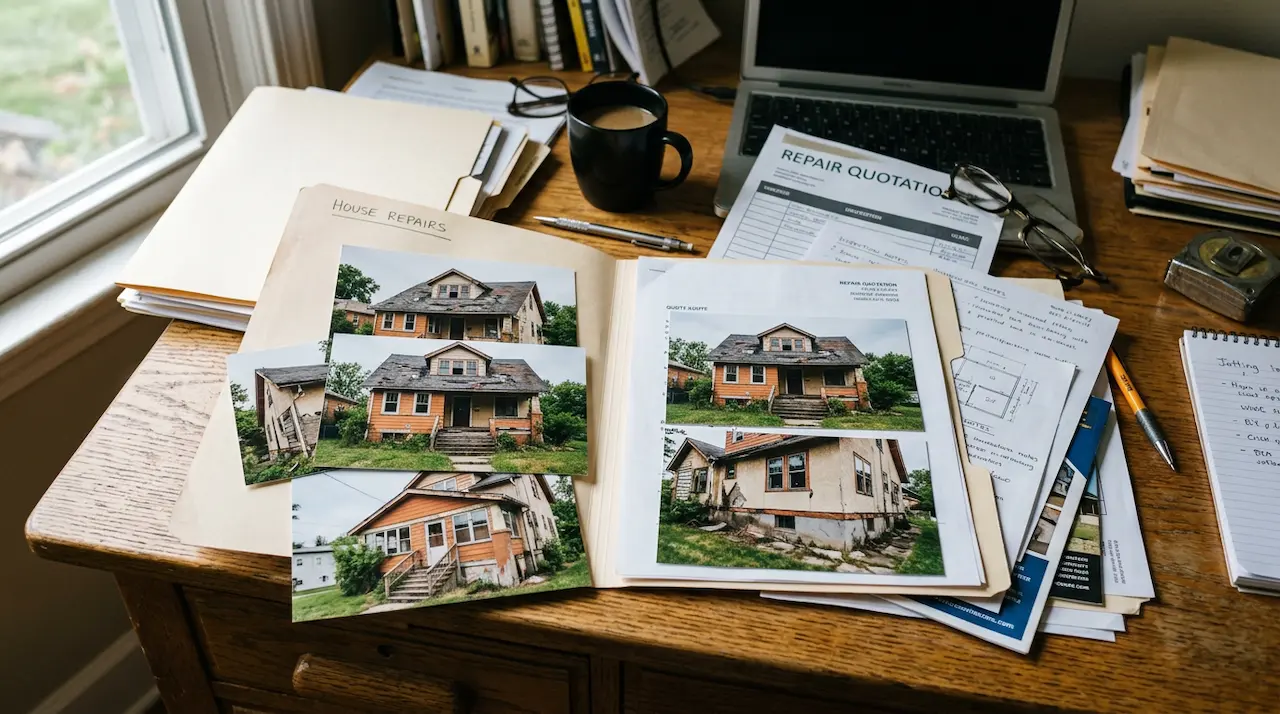
When the amount exceeds what the platform covers, legal recourse remains an option. The Small Claims Division of the Court of Quebec hears claims related to property damage up to $15,000, without the need for a lawyer. Your dated photos and written exchanges then become decisive evidence.
A useful clarification: short-term rental does not fall under the Tribunal administratif du logement, which governs residential leases. A dispute with a short-term guest is instead handled as a matter of civil liability, before small claims court. Knowing the right path from the start avoids unnecessary steps and saves you time if damage occurs.
To clarify guest expectations upfront and reduce how often these situations arise, a well-built FAQ page answers common questions before they become problems.
Conclusion
Protecting your rental chalet from problem tenants in Quebec mostly comes down to rigor. Clear rules, careful screening, systematic photo documentation, and good protections together defuse most risks. And if an incident happens anyway, your evidence and the available recourse let you take action.
Peace of mind is part of the rental equation. To delegate this vigilance to a team that applies these measures day to day, you can learn more about the support offered to owners.
FAQ
How do you properly protect your rental chalet against tenant damage?
To protect your rental chalet, combine several measures. Document the property’s condition with dated photos before and after each stay, keep your written exchanges, and set clear house rules accepted before booking. Rely on platform protection and on insurance suited to tourist rental. This layered approach reduces your financial exposure and makes any later claim easier if damage occurs.
What should you do if a traveler refuses to pay for damages in Quebec?
First, file a claim with the platform, backed by your photo file and messages. Then report the at-fault traveler to protect other owners in the network. If the amount claimed exceeds the coverage offered, the Small Claims Division of the Court of Quebec hears property damage claims up to $15,000, without a lawyer. Your dated evidence and written exchanges then become decisive elements. This recourse forms the last link in protecting your rental chalet in Quebec.
How can you spot a risky tenant before booking?
Watch for certain signals: a profile with no reviews or identity verification, a last-minute local festive booking, or vague questions about the actual number of occupants. Ask precise questions about the purpose of the stay and reiterate the maximum capacity. A transparent, cooperative traveler is reassuring, while persistent evasiveness warrants extra caution before accepting the request. At the slightest serious doubt, you can politely decline the booking.